
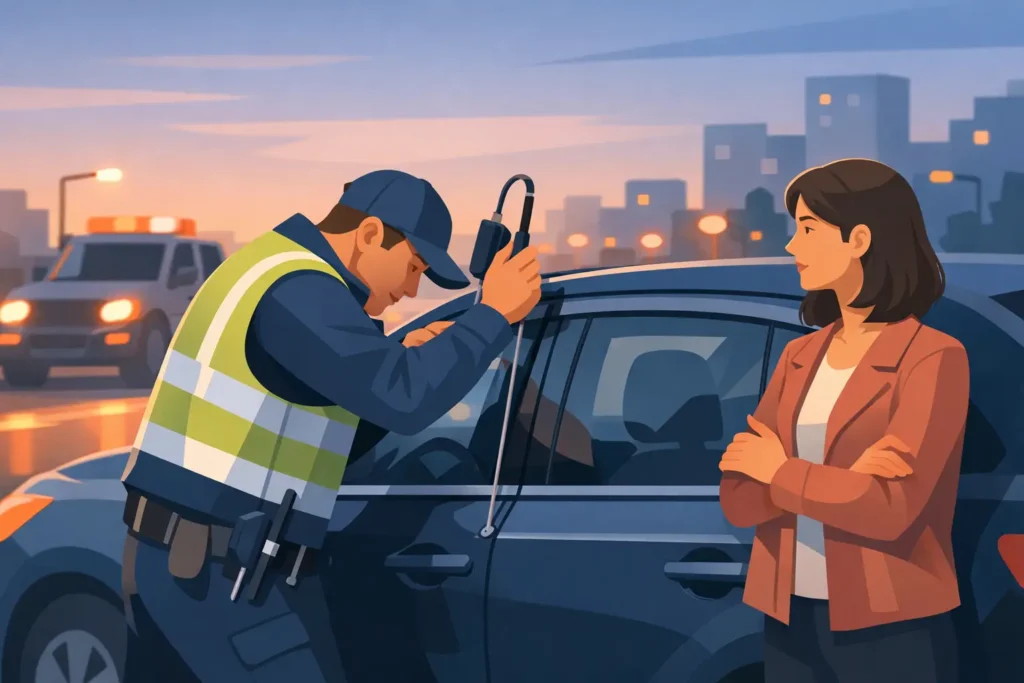
A locked car door becomes a much bigger problem when the keys are visible on the seat, a child is waiting inside, or the weather is working against you. If you are searching for how to unlock car without damage, the first thing to know is that the safest method depends on the vehicle, the lock system, and why the car is not opening in the first place.
Some lockouts are simple mechanical access issues. Others involve a dead battery, a failed smart key, a disabled handle sensor, or an anti-theft system that is no longer communicating properly. That is where many DIY attempts go wrong. What looks like a basic lockout can turn into a broken weather seal, scratched paint, bent door frame, or an expensive issue with the latch, key cylinder, or electronic modules.
How to unlock car without damage starts with the right diagnosis
Before anyone touches the door, it helps to figure out what actually failed. If the key is inside but the door locks are working normally, the job is different from a vehicle with a dead 12V battery or a smart key that suddenly stopped responding.
On older vehicles with manual lock posts, non-destructive entry is often more straightforward. On newer models with shielded linkages, side-impact door design, and electronic locking systems tied into the BCM, access is more sensitive. Prying the frame or forcing a tool in the wrong location can damage trim clips, side curtain airbag areas, window channels, or the lock mechanism itself.
A professional approach starts with identification. Is the vehicle using a traditional keyway, a proximity fob, or a hidden emergency key? Is the driver door lock cylinder functional? Is the battery flat, making electronic entry impossible? Is the issue really access, or is it a key programming or immobilizer problem that only shows up after the door is opened?
That difference matters because the best no-damage method is not universal.
The safest ways to open a locked car
In many cases, non-destructive entry is possible with the correct tools and training. The goal is controlled access, not speed at any cost.
Air wedge and long-reach tools are commonly used by professional automotive locksmiths. Done properly, a small inflatable wedge creates limited space at the upper door frame, and a reach tool is guided to the interior unlock control. This sounds simple, but it is highly vehicle-dependent. On one model, the best contact point may be the manual unlock button. On another, pulling the wrong handle can trigger a lockout sequence or fail entirely.
For some vehicles, decoding and key-based entry is safer than manipulating the interior lock controls. If the lock cylinder is intact, a professional may open the vehicle through the keyway rather than through the door frame. That can reduce the risk of bending the frame or marking trim, especially on vehicles with tighter tolerances.
Newer smart key vehicles can complicate things. Some have concealed mechanical key access under a cap on the driver handle. Others still require electronic communication after mechanical entry because the alarm and immobilizer systems remain active. In those cases, opening the door is only half the job.
Why common DIY methods often cause damage
People usually try whatever seems fastest – a coat hanger, a shoelace, a plastic strip, or a pry tool from a hardware store. The problem is that modern vehicles are not built around those methods.
A coat hanger can scratch glass, tear weather stripping, snag wiring, or damage linkage inside the door. A shoelace trick only works on a narrow range of older lock-post designs and is useless on many current vehicles. Screwdrivers and hard pry tools are the worst option because they can deform the door frame, chip paint, and create wind noise or water leaks long after the lockout is over.
Even when a DIY attempt appears to work, hidden damage is common. A slightly bent frame may not be obvious until the next rainstorm. A stressed window channel can affect glass movement. A damaged handle switch or lock rod can turn a short-term lockout into a repair appointment.
For drivers with late-model vehicles, luxury brands, frameless windows, or electronic latching systems, the margin for error is even smaller.
When a car lockout is not really a lockout
This is one of the most overlooked parts of the problem. Sometimes the vehicle opens, but it still will not start or fully reset because the original issue was electronic.
If the key fob battery has failed, the emergency key may open the door, but the push-to-start system may still need a proper emergency start procedure. If the vehicle battery is dead, the locks may not respond even though the fob itself is fine. If there is a fault in the BCM, immobilizer, or key recognition system, the car may behave like a lockout when the deeper issue is module communication.
That is why a general roadside approach is not always enough. A specialist who handles both access and electronic diagnostics can determine whether the problem ends at the door or continues into programming, synchronization, or module-level faults.
For example, if a replacement key was recently programmed incorrectly, or if a module was replaced without proper matching, the customer may think the car is simply refusing entry or start. In reality, the fault can involve the immobilizer system, smart key data, or control module coding.
How professionals open cars without damage
A trained automotive locksmith works methodically. Vehicle identification comes first, then lock type, then access method. Protective wedges, reach tools, lock picks, and decoding tools are selected based on the specific vehicle rather than used as a one-size-fits-all kit.
The technician also knows where not to apply pressure. That matters on vehicles with fragile trim, frameless glass, integrated sensors, and tighter body tolerances. Professional entry is less about forcing access and more about understanding door geometry, latch behavior, and the vehicle’s electronic response.
In some cases, the best outcome is not immediate manipulation of the door at all. If a child or pet is inside and conditions are dangerous, emergency response may be the right first step. If the battery is fully discharged and the vehicle has an accessible external power procedure, stabilizing power may be part of the solution. If the customer has lost all keys, entry may be combined with key generation and programming on-site.
That is where a mobile specialist has a real advantage. The same visit can cover lockout service, key cutting, transponder or smart key programming, and diagnostics if the access issue turns out to be tied to a larger electronic fault.
When to call for help instead of trying again
If you have already tried to open the car and met resistance, stop before the damage gets worse. Repeated attempts usually make a clean entry harder. Bent trim, compressed seals, and disturbed linkages can narrow the safe access points.
You should also call a professional right away if the vehicle is newer, the locks are fully electronic, the battery may be dead, the key fob is not responding, or the car has a history of immobilizer or module issues. The same goes for luxury vehicles, commercial fleet vehicles, and any model where replacement trim or glass is expensive.
For drivers who need fast, on-site help, a mobile automotive locksmith with OEM-level diagnostics is often the most efficient option. Car Kez handles both non-destructive vehicle entry and the more technical problems that can sit behind a lockout, which means less guessing and fewer delays.
How to reduce the chance of another lockout
Prevention is not complicated, but it does require a little planning. Replace weak key fob batteries before they fail completely. Keep the mechanical emergency key accessible if your vehicle uses one. If you only have one working key, get a spare made before it becomes urgent.
It is also worth paying attention to warning signs. Intermittent remote response, random no-start behavior, repeated key not detected messages, or a door lock that behaves differently from the others can point to a bigger issue developing. Catching that early is far cheaper than dealing with an emergency in a parking lot or driveway.
If your vehicle has already had module replacement, key programming, or electrical repairs, make sure those systems were properly matched and tested. Access problems and starting problems often overlap more than drivers expect.
The best way to handle a lockout is to treat it like a vehicle system issue, not just a stuck door. A careful, vehicle-specific approach protects the car, saves time, and gives you a much better chance of getting back on the road without adding a repair bill to the problem.
Pingback: Car Lockout Service That Gets You Moving Again - Car Kez